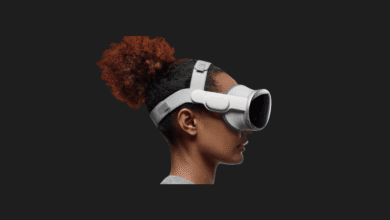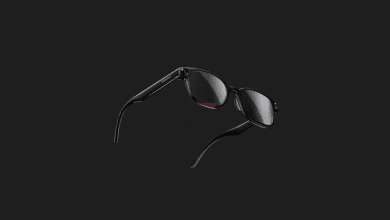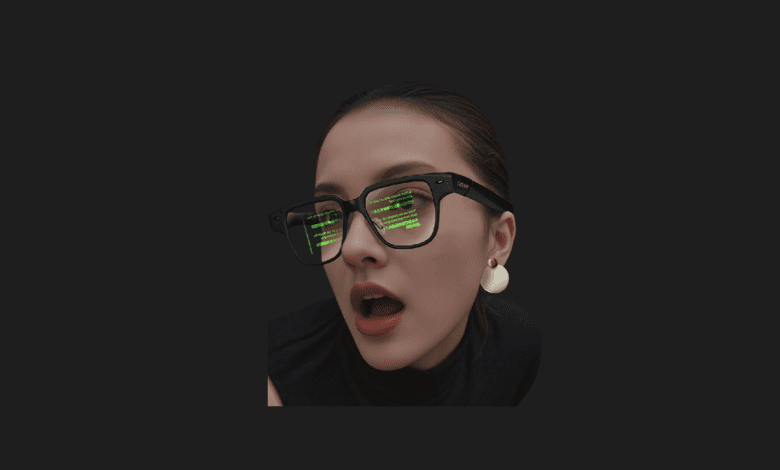

I have always been a huge advocate for wearable technology. The idea of seamlessly blending the digital world with our physical surroundings through smart glasses is incredibly exciting to me. But lately, whenever I sit in a coffee shop or ride public transit, I find myself looking a little closer at the eyewear of the people around me. Let’s be completely honest: the thought of someone secretly recording or live-streaming you without your consent is deeply unsettling.
If you share that anxiety, you are not alone. I recently stumbled upon a fascinating new tool for Android users that flips the script on wearable surveillance. It’s an app designed to alert you if someone nearby is wearing Ray-Ban Meta AI Glasses.
Let’s dive into how this digital “radar” works, the growing backlash against secret recordings, and why our privacy laws are struggling to keep up.
What is “Nearby Glasses” and How Does it Work?

Developed by Germany-based programmer Yves Jeanrenaud, the Nearby Glasses app acts as a digital watchdog for your personal space. It doesn’t hack into the glasses or intercept the video feed; instead, it uses clever detective work based on the public signals these devices constantly broadcast.
Here is the technical breakdown of how it spots a secret camera:
- Bluetooth Low Energy (BLE) Scanning: Just like your phone looking for wireless earbuds, the app constantly scans the area for BLE signals.
- Manufacturer IDs: While smart devices often scramble their MAC addresses and service UUIDs to protect the wearer’s privacy, their Manufacturer IDs remain static.
- The Match: The app specifically listens for the unique manufacturer signatures associated with Meta’s smart wearables.
As Jeanrenaud explained on his GitHub page, when the app detects these specific Bluetooth data packets, it triggers an alert on your phone. It’s essentially saying, “Hey, there is a Meta device broadcasting right next to you.”
The Catch: False Positives and Real-World Etiquette

Before you download the app and start accusing strangers on the subway of filming you, there is a significant caveat I need to point out.
Because the app relies on Meta’s broader manufacturer IDs, it cannot always distinguish between a pair of Ray-Ban smart glasses and a Meta Quest VR headset tucked away in someone’s backpack.
Jeanrenaud himself warns users to take the alerts with a grain of salt. Just because the app pings doesn’t mean the person sitting across from you is a walking surveillance camera. More importantly, the developer strongly advises against using the app to confront or harass people. The goal is situational awareness, not starting a public brawl.
Why Are We So Paranoid? (The Dark Side of Smart Glasses)

You might be wondering if an app like this is an overreaction. From what I’ve seen in the news lately, it absolutely isn’t. We are experiencing a massive resurgence of the “Glasshole” anxiety that plagued the original Google Glass back in the day.
People are visibly frustrated with the invasion of privacy, and it’s spilling over into real-world conflicts:
- The NYC Subway Incident: Just last December, a woman on the New York subway grabbed and smashed a pair of Meta AI glasses off the face of an alleged “TikToker.” The public reaction online was incredibly polarized, highlighting how tense the public is about hidden cameras.
- The “Manfluencer” Creeps: There have been numerous disturbing reports of so-called “manfluencers” using these smart glasses to secretly record women in public spaces—gyms, parks, and cafes—to post “pickup” videos on social media.
When I read about these use cases, my enthusiasm for the hardware takes a massive hit. It’s a stark reminder that incredible technology in the wrong hands quickly becomes a tool for harassment.
Meta’s Defense vs. The Legal Reality
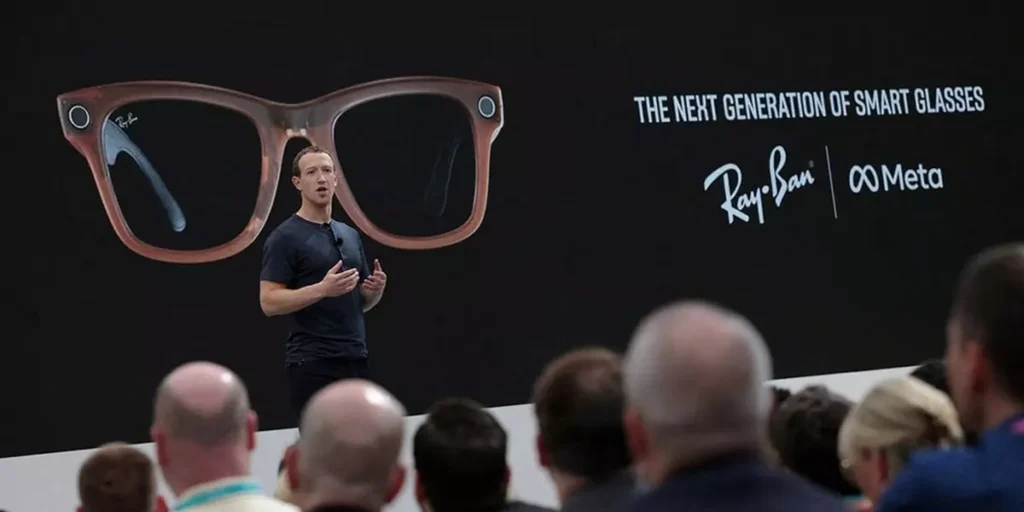
When confronted with these privacy concerns, Meta’s standard defense is the hardware LED light. According to their spokespeople, a white LED illuminates on the frame whenever the glasses are recording or taking a picture, and wearers are bound by local laws.
But let’s look at the reality of that defense. I can tell you right now that a tiny white LED is almost invisible in bright daylight. Furthermore, as Jeanrenaud and many security researchers have pointed out, determined bad actors can easily obscure that light with a tiny piece of black tape, a marker, or even by physically tampering with the wiring. Most people simply do not recognize the glasses as recording devices.
The Legal Minefield
The law is scrambling to catch up. While recording video in a public space is generally legal in many jurisdictions, the addition of AI and audio changes the game entirely.
Here is where the legal risks get serious:
- Audio Consent: In the United States, 11 states require two-party consent for audio recordings. If you record a conversation in a cafe in California without the other person knowing, you are breaking the law.
- Biometric Data: Experts from the Purdue Global Law School warn that if these glasses are used alongside facial recognition software—which AI models are increasingly capable of—they could violate strict biometric privacy laws.
- Courtroom Drama: The tension even reached the legal system itself. Just last week in California, a judge openly criticized Mark Zuckerberg’s own legal team for wearing Ray-Ban Meta AI Glasses inside the courtroom, a place where unauthorized recording is strictly forbidden.
A Stopgap for Privacy?
I don’t think the Nearby Glasses app is a perfect, flawless solution. The false positives are annoying, and expecting everyone to walk around with a Bluetooth scanner running on their phone is a dystopian thought.
However, until massive tech companies like Meta take hardware-level privacy and non-wearer consent seriously, tools like this are all we have. It gives everyday people a tiny bit of agency back. It allows you to at least know when you might be on camera, letting you decide if you want to stay in that space or move away.
I’m really curious to know where you stand on this. Do you think the convenience and cool factor of smart glasses outweigh the public privacy risks, or do you think we need stricter laws to ban hidden cameras in public spaces? Let me know your thoughts in the comments!
You Might Also Like;